

From Poverty to Prosperity: How China's Economic Rise Transformed Global Energy Demand
- lhof39
- 4 days ago
- 3 min read
China’s journey from widespread poverty to becoming a global economic powerhouse is one of the most remarkable transformations in modern history. Over the past four decades, China has lifted hundreds of millions of people out of poverty and reshaped the global economy. This rapid growth has not only changed the lives of its citizens but also dramatically altered global energy demand patterns. Understanding this transformation reveals how economic development and energy consumption are deeply connected.

The Starting Point: China as the Ultimate Global Poverty Center
In the late 1970s, China was one of the poorest countries in the world. The majority of its population lived in rural areas with limited access to modern infrastructure, healthcare, and education. The economy was largely agrarian, with low productivity and minimal industrial output. Energy consumption was low, mostly limited to traditional biomass fuels like wood and coal used in small-scale household settings.
The government recognized that economic reform was essential to improve living standards. In 1978, China launched a series of market-oriented reforms under the leadership of Deng Xiaoping. These reforms opened the door to foreign investment, encouraged private entrepreneurship, and shifted the economy toward manufacturing and exports.
Rapid Industrialization and Urbanization
China’s economic reforms triggered rapid industrialization. Cities expanded as millions moved from rural areas to urban centers seeking jobs in factories. This urban migration fueled demand for housing, transportation, and consumer goods. The country became known as the “world’s factory,” producing everything from textiles to electronics.
Industrial growth required vast amounts of energy. Coal, abundant in China, became the backbone of its energy supply. Power plants, steel mills, and factories consumed coal at unprecedented rates. Over time, China also invested heavily in hydroelectric power, nuclear energy, and more recently, renewable energy sources.
Key Drivers of Energy Demand Growth
Manufacturing boom: Heavy industries like steel, cement, and chemicals consumed large quantities of energy.
Urban infrastructure: Construction of roads, buildings, and public transit systems increased electricity and fuel use.
Rising incomes: As people’s incomes grew, demand for appliances, cars, and air conditioning surged.
Export expansion: Producing goods for global markets required continuous energy input.

China’s Role in Global Energy Markets
China’s economic rise has had profound effects on global energy markets. It is now the world’s largest energy consumer, accounting for nearly 25% of global energy use. This shift has influenced energy prices, investment flows, and geopolitics.
Coal Dependency and Environmental Challenges
Despite efforts to diversify, coal remains a dominant energy source in China, supplying about 60% of its energy needs. This reliance has contributed to severe air pollution and greenhouse gas emissions. The government has responded with policies to reduce coal use and promote cleaner energy, but the transition is complex.
Expansion of Renewable Energy
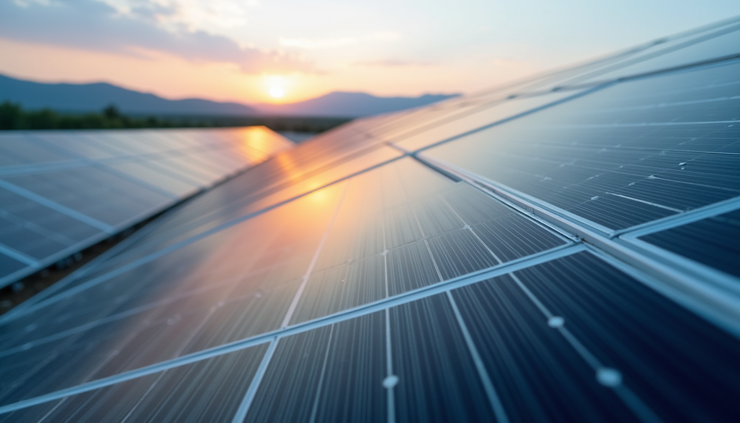
China leads the world in renewable energy capacity. It is the largest producer of solar panels and wind turbines and has invested heavily in hydroelectric projects like the Three Gorges Dam. These efforts aim to balance economic growth with environmental sustainability.
Energy Security and Global Supply Chains
China’s growing energy demand has increased its dependence on imported oil and natural gas. This reliance shapes its foreign policy and trade relationships, especially with energy-rich countries in the Middle East, Africa, and Central Asia.
The Impact on Global Energy Demand Patterns
China’s transformation has shifted global energy demand in several ways:
Increased global energy consumption: China’s growth accounts for a large share of the rise in global energy use over the past decades.
Changing energy mix: China’s investments in renewables have accelerated global clean energy development.
Price volatility: Demand from China influences global prices for coal, oil, and metals.
Technological innovation: China’s scale drives down costs for renewable technologies, benefiting other countries.
Lessons from China’s Energy and Economic Transformation
China’s experience offers important lessons for other developing countries aiming to grow their economies while managing energy demand:
Balanced energy strategy: Combining traditional fuels with renewables helps meet growing demand while addressing pollution.
Infrastructure investment: Building modern energy infrastructure supports industrial growth and urban living.
Policy support: Government policies can guide energy transitions and encourage innovation.
Global cooperation: Energy security and climate goals require collaboration across borders.
China’s rise shows that economic development and energy demand are closely linked. Managing this relationship is key to sustainable growth.


Comments